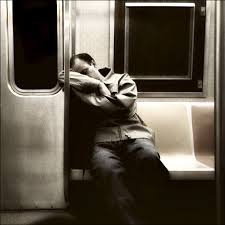
Do you struggle for hours to get to sleep, no matter how tired you are? Or do you wake up in the middle of the night and lie awake for hours, anxiously watching the clock? If so, you’re in good company. Insomnia is a very common sleep problem. It’s frustrating to toss and turn during the night, only to wake up bleary-eyed at the sound of the alarm and drag through the day exhausted.
Insomnia takes a toll on your energy, mood, and ability to function during the day. Chronic insomnia can even contribute to health problems such as heart disease, high blood pressure, and diabetes. But you don’t have to put up with insomnia. Simple changes to your lifestyle and daily habits can put a stop to sleepless nights.
Can’t sleep? Understanding insomnia and its symptoms
Insomnia is the inability to get the amount of sleep you need to wake up feeling rested and refreshed. Because different people need different amounts of sleep, insomnia is defined by the quality of your sleep and how you feel after sleeping—not the number of hours you sleep or how quickly you doze off. Even if you’re spending eight hours a night in bed, if you feel drowsy and fatigued during the day, you may be experiencing insomnia.